

Robot Mop
Add a review FollowOverview
-
Founded Date June 10, 1923
-
Sectors Health Care
-
Posted Jobs 0
-
Viewed 12

Company Description
20 Trailblazers Lead The Way In Robo Vacuum
The Unassuming Champion of Clean: A Deep Dive into the World of Robo Vacuums
In today’s fast-paced world, the relentless pursuit of performance permeates every element of our lives. Family chores, as soon as a considerable time dedication, are significantly being structured and automated. Amongst these advancements, the robotic vacuum cleaner vacuum, or robo vacuum, stands apart as a silent yet powerful ally in maintaining a clean and comfy home. No longer a futuristic fantasy, robo vacuums have ended up being mainstream, using a practical and effective way to keep floorings clean with very little effort.
This short article looks into the world of robo vacuums, exploring their functionality, advantages, considerations for purchase, and the future of this increasingly important household appliance. Whether you are thinking about signing up with the robo vacuum revolution or just curious about these automated cleaners, this detailed guide will offer important insights into their capabilities and how they can transform your cleaning routine.
How Do These Little Cleaning Robots Work?
At their core, robo vacuums are sophisticated pieces of innovation loaded into a compact, typically disc-shaped device. Their operation is a fascinating mix of sensors, algorithms, and cleaning mechanisms working in show to navigate and clean your floorings.
The majority of robo vacuums rely on a suite of sensing units to understand their environment. These can include:
- Bump Sensors: These sensing units identify physical contact with barriers, signifying the robot to alter instructions and avoid collisions with furniture and walls.
- Cliff Sensors: Essential for safety, cliff sensing units identify drops and ledges, avoiding the robot from dropping stairs or off elevated surface areas.
- Wall Sensors: These enable the robot to follow walls closely, ensuring thorough edge cleaning.
- Infrared or Optical Sensors: Some robotics make use of infrared or optical sensing units for navigation and mapping, allowing them to “see” the room design and move more systematically.
- LiDAR (Light Detection and Ranging): More advanced designs employ LiDAR, a laser-based innovation that creates an in-depth map of the room. This permits for accurate navigation, efficient cleaning courses, and virtual boundary setting.
Beyond sensing units, sophisticated algorithms assist the robot’s movement. Basic models might use random bounce patterns, while more innovative models use systematic cleaning paths, space mapping, and even zone cleaning abilities. These algorithms help the robot cover the entire floor location and ensure no spots are missed out on.
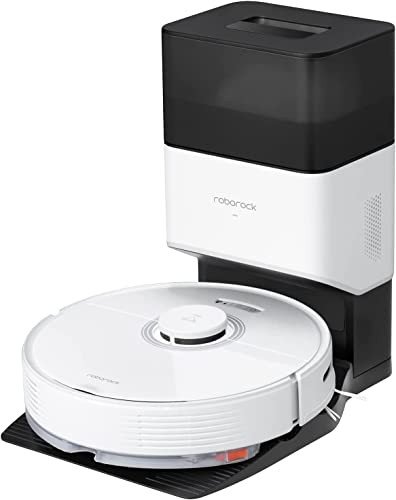
The cleaning power of a robo auto vacuum originates from a mix of brushes and suction. Turning brushes, frequently positioned below and on the side, loosen particles and sweep it towards the suction nozzle. The suction motor then draws dirt, dust, and pet hair into a dustbin within the robot. Some designs also integrate a mopping function, using a damp pad or water tank to gently mop hard floorings after vacuuming.
The Allure of Automation: Benefits of Owning a Robo Vacuum
The appeal of robo vacuums stems from the various advantages they use, simplifying cleaning and freeing up important time. Here are some crucial benefits:
- Convenience and Time Savings: This is arguably the most significant advantage. Robo vacuums operate autonomously, permitting you to recover the time generally spent vacuuming. Simply set a schedule or press a button, and the robot looks after the floor cleaning while you focus on other tasks or unwind.
- Consistent Cleanliness: Robo vacuums can be configured to clean frequently, even daily. This consistent cleaning helps avoid the accumulation of dust, dirt, and irritants, contributing to a much healthier and cleaner home environment.
- Uncomplicated Pet Hair Management: For pet owners, robo vacuums are a game-changer. They successfully tackle pet hair, dander, and tracked-in dirt, keeping floorings cleaner and minimizing allergy triggers. Routine robo vacuuming can substantially minimize the constant battle against pet hair.
- Reaching Under Furniture: Their low profile enables robo vacuums to browse under beds, couches, and other furniture, locations that are frequently difficult to reach with a conventional vacuum. This guarantees thorough cleaning in these often-neglected spaces.
- Ideal for Busy Lifestyles: For people and households with hectic schedules, robo vacuums provide a practical solution for preserving a tidy home without including another task to their currently packed days. They can be set up to clean while you are at work or asleep.
- Smart Home Integration: Many modern robo vacuums use smart features like app control, voice assistant compatibility (Amazon Alexa, Google Assistant), and Wi-Fi connection. This enables remote control, scheduling, monitoring, and combination into smart home ecosystems.
Browsing the Choices: Factors to Consider When Selecting a Robo Vacuum
The robo vacuum market is diverse, with designs varying from fundamental cleaners to feature-rich smart gadgets. Selecting the right robo vacuum requires considering several elements to align with your specific requirements and budget plan.
Here are crucial elements to evaluate:
- Navigation and Mapping:
- Random Bounce: Basic designs navigate randomly, bouncing off obstacles. They are less efficient and may miss out on spots.
- Organized Navigation: Models with systematic navigation tidy in organized patterns (rows or S-shapes), providing much better protection and effectiveness.
- Mapping (Visual or LiDAR): Advanced designs map your home, enabling precise navigation, space recognition, zone cleaning, and virtual boundaries. LiDAR mapping is generally thought about more accurate and effective.
- Suction Power: Consider the suction power, often measured in pascals (Pa). Greater suction power is useful for homes with carpets, rugs, and animals, ensuring efficient elimination of debris and pet hair.
- Battery Life and Coverage: Check the battery life and the estimated cleaning area per charge. Make sure the battery capacity is sufficient to clean your entire home or the desired cleaning zones in a single cycle.
- Filter Type: Look for HEPA filters, specifically if allergic reactions or respiratory level of sensitivities are a concern. HEPA filters capture fine particles like allergen, pollen, and pet dander, enhancing air quality.
- Functions:
- App Control: Offers advanced features like scheduling, push-button control, cleaning history, zone cleaning, and virtual walls.
- Virtual Walls and No-Go Zones: Allows you to define limited areas the robot need to prevent, protecting delicate products or keeping it out of certain spaces.
- Scheduling: Enables pre-setting cleaning times and days for Automated Vacuum cleaning regimens.
- Mopping Function: Some designs offer mopping abilities for difficult floors. Consider the type of mopping (vibrating pad, water flow control) and water tank capability.
- Voice Control: Compatibility with voice assistants like Alexa or Google Assistant for hands-free control.
- Floor Type Compatibility: Ensure the robo vacuum is appropriate for your floor types (hardwood, carpet, tile, and so on). Some models are optimized for particular floor types, while others provide flexible performance. Consider brushroll design and suction adjustments for various surfaces.
- Sound Level: Robo vacuums vary in noise levels. If noise level of sensitivity is an issue, search for models with lower decibel ratings.
- Upkeep and Durability: Consider the ease of upkeep, such as dustbin emptying, brush cleaning, and filter replacement. Research study the brand name’s track record for durability and consumer support.
- Spending plan: Robo vacuums vary in cost from budget-friendly to premium designs. Identify your budget plan and prioritize features that are most essential to you within that price range.
Keeping Your Robo Vacuum Running Smoothly: Essential Maintenance Tips
To guarantee your robo vacuum operates efficiently and lasts for years to come, routine upkeep is essential. Basic maintenance tasks will keep your robot cleaning effectively and prevent efficiency concerns.
Here are vital maintenance actions:
- Empty the Dustbin Regularly: Empty the dustbin after each cleaning cycle or as shown by the robot’s complete bin indicator. A full dustbin decreases suction power and cleaning efficiency.
- Clean the Brushes: Regularly inspect and clean the primary brush and side brushes. Remove tangled hair, debris, and threads that can prevent brush rotation.
- Tidy the Sensors: Gently clean the sensors (bump, cliff, wall, optical/LiDAR) with a soft, dry cloth to get rid of dust or particles that can obstruct their functionality.
- Replace Filters: Replace filters according to the manufacturer’s recommendations. Dirty filters minimize suction and air quality. HEPA filters require periodic replacement to keep their filtration efficiency.
- Inspect and Clean Wheels: Periodically inspect the wheels for particles or hair entanglement. Clean the wheels to make sure smooth motion and navigation.
- Maintain Battery Health: Follow charging directions and prevent leaving the robot constantly on the charging dock after it is completely charged. This can help lengthen battery life.
- Software Updates: For smart robo vacuums, keep the software application upgraded. Updates typically include performance improvements, bug repairs, and brand-new features.
Debunking Myths: Common Misconceptions About Robo Vacuums
Despite their growing popularity, some misconceptions persist about robo vacuums. It’s essential to different reality from fiction to make informed choices.
- Misconception: Robo Vacuums Are as Powerful as Regular Vacuums.
- Truth: Robo vacuums normally have lower suction power than full-sized upright or container vacuums. They are created for day-to-day or frequent upkeep cleaning, not deep cleaning or dealing with heavily stained locations. However, for routine upkeep, they are extremely effective.
- Myth: Robo Vacuums Get Stuck Easily and Require Constant Supervision.
- Truth: Modern robo vacuums are equipped with sensing units and algorithms created to browse challenges and prevent getting stuck. While periodic intervention may be needed, specifically in chaotic environments, they are generally autonomous and need minimal supervision. Advanced models with mapping and virtual borders even more minimize the risk of getting stuck.
- Myth: Robo Vacuums Are Expensive Toys and Not Worth the Investment.
- Reality: While premium models can be pricey, there are robo vacuums readily available at different rate points. Considering the time cost savings, benefit, and constant tidiness they provide, robo vacuums can be a worthwhile investment for many homes, using considerable value in return for their rate.
- Myth: Robo Vacuums Can not Handle Pet Hair Effectively.
- Truth: Many robo vacuums are specifically created to take on pet hair. Designs with strong suction, specialized brushes, and HEPA filters are extremely effective at getting pet hair, dander, and irritants. Routine robo vacuuming is typically more effective for pet hair management than irregular manual vacuuming.
The Future is Autonomous: What’s Next for Robo Vacuum Technology?
The advancement of robo vacuums is continuous, with developments constantly improving their abilities. The future promises even more smart, efficient, and versatile cleaning robotics.
Anticipate to see advancements in:
- Enhanced AI and Machine Learning: Robo vacuums will end up being even smarter, using AI and artificial intelligence to much better understand their environment, acknowledge things, avoid obstacles better, and adjust to altering home designs.
- Enhanced Navigation and Mapping: Navigation systems will become more accurate and advanced, potentially integrating 3D mapping and advanced sensing unit fusion for much more effective cleaning paths and challenge avoidance.
- More Powerful Cleaning Performance: Suction power and brush designs will continue to improve, allowing robo vacuums to take on even harder cleaning jobs and compete more closely with standard vacuums in regards to cleaning power.
- Integration with Smart Home Ecosystems: Seamless combination with smart home platforms and devices will become a lot more prevalent, offering greater control and automation through voice commands, smart home regimens, and personalized cleaning schedules.
- Multi-Functionality: We might see robo vacuums that include additional performances beyond vacuuming and mopping, such as air purification, security features, or perhaps object fetching capabilities.
Conclusion: Embracing the Robotic Cleaning Revolution
Robo vacuums have actually transitioned from a novelty product to a practical and increasingly important family home appliance. Their capability to automate floor cleaning uses exceptional benefit, frees up valuable time, and adds to a cleaner and much healthier home environment. By comprehending their performance, advantages, and picking the best robotic vacuum cleaner uk design for your needs, you can welcome the robotic cleaning revolution and experience the simple and easy tidiness that robo vacuums bring. As technology continues to advance, robo vacuums are poised to end up being an even more integral part of our homes, even more streamlining our lives and redefining the future of cleaning.
Frequently Asked Questions (FAQs) about Robo Vacuums
Q: Are robo vacuums as effective as conventional vacuums?
A: While not typically as powerful as full-sized vacuums for deep cleaning, robo vacuums are extremely effective for daily or regular upkeep cleaning. They stand out at choosing up dust, dirt, pet hair, and fine particles, keeping floors regularly clean.
Q: Are robo vacuums helpful for pet hair?
A: Yes, numerous robo vacuums are particularly created for pet hair. Look for models with strong suction, tangle-free brushes, and HEPA filters to successfully handle pet hair and dander.
Q: How long do robo vacuum batteries last?
A: Battery life varies depending on the model and cleaning mode. Most robo vacuums provide battery life ranging from 60 to 120 minutes on a single charge, adequate to clean a typical-sized home.
Q: How much upkeep do robo vacuums need?
A: Robo vacuums need minimal upkeep. Regular jobs include emptying the dustbin, cleaning brushes, and changing filters regularly. Most designs are designed for simple maintenance.
Q: Are robo vacuums expensive?
A: Robo vacuums are offered at different price points, from economical to premium designs. The price depends upon functions, navigation technology, and brand name. There are alternatives to fit various budget plans.
Q: Can robo vacuums incorporate with smart home systems?
A: Yes, many contemporary robo vacuums offer smart features and Wi-Fi connection, allowing combination with smart home systems like Amazon Alexa and Google Assistant for voice control and automation.
Q: Can robo vacuums navigate complicated designs and multiple spaces?
A: Advanced robo vacuums with mapping and organized navigation are designed to browse complex designs and numerous spaces efficiently. They can map your home and clean systematically.
Q: Do robo vacuums mop in addition to vacuum?
A: Some robo vacuums offer a mopping function. While they provide light mopping for tough floors, they are not a replacement for deep mopping. The mopping function is best automatic hoover for maintaining tidiness between deeper cleans up.
