

Fireplace Online
Add a review FollowOverview
-
Founded Date December 22, 1961
-
Sectors Non-Medical Non-Clinical
-
Posted Jobs 0
-
Viewed 14

Company Description
5 Killer Quora Answers On Outdoor Stoves Online
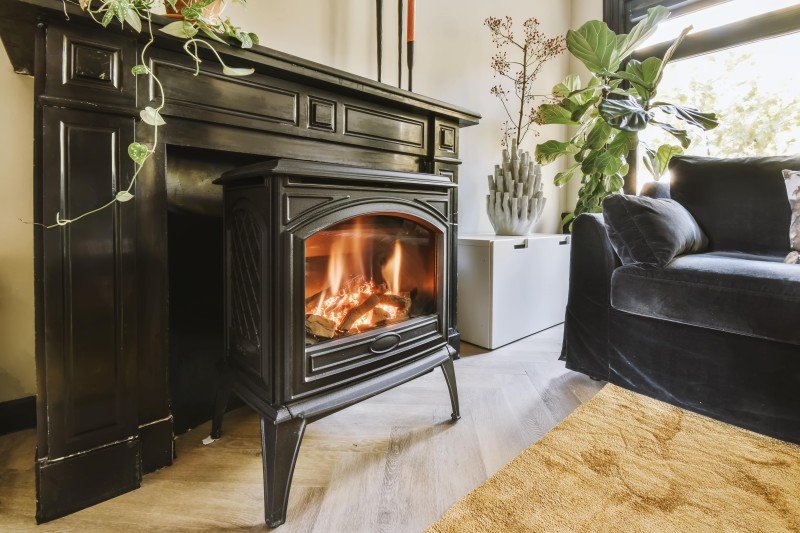
Best Value Fireplaces: An In-Depth Guide
The fireplace has long been considered the heart of a home, supplying heat, ambiance, and a focal point for social gatherings. However, browsing through different alternatives can be overwhelming, specifically with budget restraints in mind. This post presents a useful guide on the very best value fireplaces, detailing their types, features, and advantages to help property owners make a smart choice.
Types of Fireplaces
Buy Fireplaces Online come in a variety of designs and types, each with different attributes, costs, and benefits. Here’s a detailed take a look at the most common types of fireplaces available in the market today.
| Type of Fireplace | Description | Average Cost | Pros | Cons |
|---|---|---|---|---|
| Wood-Burning | Burn logs to produce heat and atmosphere. | ₤ 1,500 – ₤ 5,000 | Genuine experience, natural heat | Needs regular upkeep, less efficient |
| Gas Fireplaces | Uses gas or lp to produce heat. | ₤ 2,000 – ₤ 5,000 | Easy to utilize, cleaner than wood | Restricted to gas supply, setup costs |
| Electric Fireplaces | Simulates flames with LED innovation and produces heat through electrical energy. | ₤ 200 – ₤ 3,000 | Easy setup, setup flexibility | Less authentic feel, greater operating expense |
| Pellet Outdoor Stoves Online | Use compressed wood or biomass pellets, providing an environmentally friendly option. | ₤ 3,000 – ₤ 4,500 | Efficient, low emissions | Requirements electrical power to operate, requires storage for pellets |
| Ethanol Fireplaces | Burns ethanol fuel, producing flames that don’t need a chimney. | ₤ 300 – ₤ 2,500 | No vents required, portable | Higher Solid Fuel Stoves For Sale cost, security issues |
Factors to Consider When Choosing a Fireplace
Selecting the right fireplace is not almost visual appeals; it also includes practical considerations. Here are essential aspects to remember:
1. Budget
- Identify just how much you want to invest. Bear in mind that setup and maintenance costs can accumulate.
2. Space and Size
- Guarantee the fireplace fits well within the space, thinking about both the space offered and the heating requirements.
3. Fuel Type
- Select the fuel source based upon schedule, cost, and the kind of ambiance you wish to accomplish.
4. Efficiency
- Select units with high-efficiency rankings to ensure you are getting the most value for your cash in regards to heat output.
5. Visual Appeal
- Select a design and style that matches existing decoration and enhances the overall beauty of the area.
6. Regulations
- Understand local regulations, permits, and building regulations that might affect your fireplace installation.
Top Best Value Fireplaces
Based on client evaluations, professional opinions, and general value for cash, here are a few of the very best value fireplaces currently available in the market:
1. DuraVent Pellet Stove
- Type: Pellet
- Typical Cost: ₤ 2,000
- Highlights: Highly efficient with low emissions, making it an outstanding alternative for environmentally-conscious property owners.
2. Napoleon B36NTR-1
- Type: Gas
- Average Cost: ₤ 2,500
- Highlights: This fireplace is visually attractive and extremely efficient, with a streamlined design and adjustable flame.
3. Duraflame Electric Heater Stove
- Type: Electric
- Average Cost: ₤ 200
- Highlights: Affordable and portable, best for smaller spaces or including atmosphere to a space without irreversible installation.
4. Genuine Flame Juliet Gel Fireplace
- Type: Ethanol
- Average Cost: ₤ 300
- Emphasizes: A trendy alternative Quality Stoves For Sale Modern Fireplaces For Sale areas that requires no venting, making it flexible and easy to install.
5. Vogelzang VG5790
- Type: Wood-Burning
- Typical Cost: ₤ 800
- Highlights: Offers a traditional wood-burning experience with a streamlined modern style, ideal for those who treasure the classic ambiance.
Frequently Asked Questions (FAQs)
Q1: What is the most cost-effective fireplace option?
A1: Electric fireplaces tend to be the most cost-effective in terms of preliminary purchase price and installation, but can have greater operating expenses compared to gas or pellet units.
Q2: Are gas fireplaces safer than wood-burning fireplaces?
A2: Yes, gas fireplaces typically produce fewer emissions and pose a lower danger of chimney fires as they do not produce creosote like wood-burning units.
Q3: Can I install a fireplace myself?
A3: While some electric fireplaces permit easy self-installation, other types, especially gas and wood-burning designs, normally need expert installation due to venting and safety issues.
Q4: How do I preserve my fireplace?
A4: Regular maintenance includes cleaning the chimney (for wood-burning fireplaces), checking for gas leaks (in gas systems), and making sure correct ventilation for electric designs.
Q5: Is an ethanol fireplace a great option?
A5: Ethanol fireplaces are appealing for their modern style and ease of setup. Nevertheless, they can be less efficient and more costly to run long-term compared to other fuel types.
Choosing a value fireplace that meets your visual preferences and useful requirements involves comprehensive research study and factor to consider. By understanding different kinds of fireplaces, their associated expenses, and benefits, homeowners can make educated choices that will not just fit their spending plan but likewise improve the warm and welcoming environment of their homes. Whether going with an electric, gas, wood-burning, pellet, or ethanol model, the Best Deals On Fireplaces fireplace waits for to transform your home.
