

Electric Miter Saw
Add a review FollowOverview
-
Founded Date May 7, 1976
-
Sectors Health Science Services
-
Posted Jobs 0
-
Viewed 8

Company Description
What’s The Current Job Market For Mitre Chop Saw Professionals?
Understanding the Mitre Chop Saw: Essential Tool for Precision Cutting
A mitre chop saw, frequently described as a miter saw or chop saw, is a flexible Power Miter Saw tool widely utilized in woodworking, metalworking, and even in construction. This robust and precise cutting tool allows the user to make accurate crosscuts and angled cuts. Whether for framing, cabinets, or other projects, mastering using a mitre chop saw is necessary for any tradesperson or DIY enthusiast.
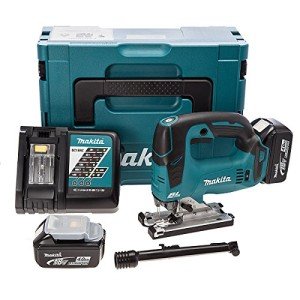
In this post, we will check out the functions, types, benefits, and best practices for using a mitre chop saw. Additionally, we will respond to often asked concerns to assist demystify this effective tool.
What is a Mitre Chop Saw?
A mitre chop saw is created particularly for making angled cuts. It operates on the concept of a rotating blade that cuts through product when lowered onto the workpiece. The essential feature that distinguishes a Mitre Saws saw from other cutting tools is its capability to pivot left or right to create mitered angles, in addition to its ability for bevel cuts.
Secret Features of a Mitre Chop Saw
| Feature | Description |
|---|---|
| Blade Size | Typical sizes consist of 10 inches, 12 inches, and 7-1/4 inches. |
| Miter Angle Range | Typically ± 45 degrees, crucial for developing angled cuts. |
| Bevel Angle | Some designs allow bevel cuts up to 45 degrees in one or both instructions. |
| Laser Guide | A laser guide can help improve precision when lining up the cut. |
| Dust Collection | Integrated systems to minimize dust accumulation and enhance work space tidiness. |
| Base | A strong base makes sure stability throughout cutting. |
Kinds Of Mitre Chop Saws
Not all mitre chop saws are created equal. Here, we break down the three primary types:
-
Standard Miter Saw: This is the most fundamental type, planned mostly for crosscuts and miter cuts. It usually includes a set arm that comes down vertically.
-
Compound Miter Saw: This type permits both miter and bevel cuts, making it ideal for detailed designs and frames. The blade can tilt to produce angled or beveled cuts, offering higher adaptability.
-
Sliding Compound Miter Saw: The most innovative variation, this saw includes a sliding mechanism that enables the blade to return and forth. This increases the cutting capability, making it possible for larger pieces of product to be cut with precision.
| Type | Benefits | Best Use Cases |
|---|---|---|
| Requirement Miter Saw | Simplicity and ease of use | Fundamental cuts like crosscuts and basic frames |
| Compound Miter Saw | Versatility for diagonal cuts | Crown molding, angled cuts, and furniture-making |
| Sliding Compound Miter Saw | Optimum cutting capability | Big products, intricate joint angles, and framing |
Benefits of Using a Mitre Chop Saw
Precision and Accuracy
Mitre Saws chop saws excel in delivering exact cuts. The capability to set particular angles makes sure that joints fit together flawlessly. This is especially crucial for detailed pieces like moldings and cabinetry, where flaws can considerably affect the final item’s appearance.
Effectiveness
Running a chop saw is quicker than manual cutting tools. It significantly minimizes the time needed for making accurate cuts, particularly when dealing with recurring tasks.
Versatility
With numerous blade types and accessories available, a mitre chop saw can handle an extensive range of materials, consisting of wood, metal, and plastics. This adaptability makes it a staple in many workshops.
Security Features
Modern Hand Mitre Saw chop saws come equipped with safety features like blade guards, electric brakes, and laser guides, making them safer to run than lots of other power tools.
Best Practices for Operating a Mitre Chop Saw
-
Check out the Manual: Always refer to the maker’s guidelines for operation, upkeep, and safety.
-
Examine Blade Condition: Ensure your blade is clean and sharp. Dull blades can result in incorrect cuts and make the tool more prone to kickback.
-
Protect Your Workpiece: Use secures or supports to hold your material stable throughout cutting. This enhances safety and accuracy.
-
Use Personal Protective Equipment (PPE): Safety goggles, hearing defense, and dust masks must be worn to secure versus debris and sound.
-
Cut Slowly and Steadily: Allow the saw to cut through the material without requiring it. This promotes precision and assists the tool maintain control.
Regularly Asked Questions (FAQ)
1. Can a mitre chop saw cut metal?
Yes, with the correct blade created for cutting metal, a mitre chop saw can efficiently cut through numerous types of metal.
2. What is the difference between a miter saw and a chop saw?
While both tools are utilized for cutting, a chop saw typically refers to a stationary saw that makes straight cuts, normally in metal. A miter saw is designed for making angled cuts and is more versatile.
3. How do I keep my mitre chop saw?
Frequently tidy the blade, look for wear and change if necessary, make sure all bolts and screws are tightened, and store the saw in a dry location when not in use.
4. Can I utilize a mitre saw to make straight cuts?
While it is possible, using a table saw or circular saw is typically more efficient for long straight cuts.
5. Is it necessary to use a laser guide?
While a laser guide enhances precision, it isn’t strictly needed for all users. Experienced users might prefer to count on their intuition and experience without one.
A mitre chop saw is an indispensable tool that offers precision, speed, and flexibility in cutting jobs. By comprehending its features and types, along with adhering to best practices and safety precautions, users can significantly boost their woodworking and construction projects. Whether one is looking to construct furnishings, frame a home, or undertake comprehensive carpentry, the mitre chop saw holds the key to accomplishing Professional Mitre Saw-quality results.
Investing time in finding out the ins and outs of this powerful tool will undoubtedly settle in both the quality of the work and the complete satisfaction of the artisan.
