

Built In Electric Cookers
Add a review FollowOverview
-
Founded Date December 19, 1988
-
Sectors Doctors
-
Posted Jobs 0
-
Viewed 9

Company Description
Ten Built In Ovens That Really Help You Live Better
The Comprehensive Guide to Built-In Ovens
Introduction
Built-in ovens are a staple in modern cooking areas, combining beauty with functionality. They offer a smooth visual and effective cooking abilities, making them a preferred option for property owners and culinary lovers alike. This short article looks into the benefits of built-in ovens, their various types, crucial features to consider, setup tips, and maintenance advice, in addition to often asked concerns.
Advantages of Built-In Ovens
Built-in fitted ovens included an array of advantages that contribute to their appeal. Here are some crucial benefits:
- Space-Saving Design: Built-in ovens are designed to fit perfectly into cabinetry, permitting a more organized and space-efficient kitchen design.
- Aesthetic Appeal: They supply a sleek and modern appearance that can boost the general design of the kitchen.
- Enhanced Functionality: Built-in ovens often come with innovative features and technologies that support different cooking techniques.
- Enhanced Cooking Experience: Many built-in models consist of self-cleaning functions, temperature probes, and programmable settings, improving the cooking experience.
- Increased Property Value: A properly designed kitchen with built-in appliances can enhance the value of a home.
Types of Built-In Ovens
Built-in ovens come in a number of types, each developed to satisfy numerous cooking choices and needs. Here are the primary types:
| Type of Built-In Oven | Description |
|---|---|
| Single Oven | A single, standalone oven for traditional baking and roasting. |
| Double Oven | Combines 2 ovens in one system, enabling multiple meals to prepare at various temperatures. |
| Wall Oven | Set up in the wall, freeing up counter area, perfect for little cooking areas. |
| Stove | Uses fans to flow hot air for even cooking, boosting the outcomes of baked goods. |
| Steam Oven | Uses steam for much healthier cooking options, protecting nutrients in food. |
Key Features to Consider
When selecting a built-in oven, a number of features can impact performance and usability. Here are some vital features to bear in mind:
Cooking Modes
- Bake: Traditional baking with bottom heat.
- Broil: Top heat cooking appropriate for browning and crisping.
- Convection: Circulates hot air for even cooking.
- Steam: Uses steam for much healthier cooking alternatives.
Size and Capacity
- Standard sizes typically range from 24 to 30 inches wide.
- Think about the internal capacity– it can range from 3 to 6 cubic feet, enabling different meal sizes.
Controls and Smart Features
- Touchscreen Controls: Easy programs and modifications.
- Smart Technology: Connectivity features enable remote tracking and control by means of smartphone applications.
Energy Efficiency
- Try to find models with ENERGY STAR scores, showing lower energy intake.
Security Features
- Features like automobile shut-off and child locks improve security during operation.
Setup Tips
Installing a built-in oven may need professional support, but here are some basic suggestions to keep in mind:
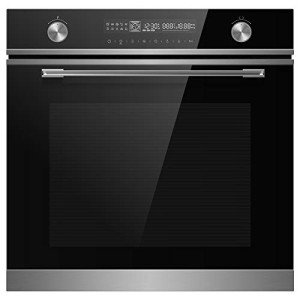
- Choose the Right Location: Ensure there’s sufficient space in your cabinets for installation, bearing in mind ventilation requirements.
- Electrical Requirements: Check that your kitchen’s electrical wiring satisfies the oven’s power requirements, specifically for electric integrated oven designs.
- Level the integrated oven electric: Ensure the oven is level to promote even cooking.
- Protect the Oven: Attach it firmly to the cabinetry to avoid motion throughout usage.
Upkeep Advice
Regular maintenance is vital for the longevity and effectiveness of a built-in oven. Here’s how to keep it in top shape:

- Regular Cleaning: Wipe down surfaces after each usage and perform deep cleaning occasionally.
- Check Seals: Inspect door seals for wear and guarantee they keep an airtight fit to improve energy effectiveness.
- Adjust Temperature: If food regularly comes out overcooked or undercooked, think about recalibrating the oven’s temperature settings.
- Expert Servicing: Schedule annual check-ups with an experienced specialist to keep optimum efficiency.
Frequently asked questions
What is the distinction between a built-in oven and a freestanding oven?
Built-in ovens are developed to be set up within cabinets, offering a seamless look. On the other hand, freestanding integrated ovens uk are standalone systems that normally include their own cooktop.
Are built-in ovens more pricey than freestanding models?
Typically, built-in ovens can be more pricey due to the included setup expenses and advanced functions. Nevertheless, prices differ widely based on brand, size, and functionalities.
Can I install a built-in oven myself?
While it is possible to set up a built-in oven yourself, it is recommended to work with an expert to make sure proper installation, specifically if adjustments to kitchen cabinetry or electrical work are required.
How frequently should I clean my built-in oven?
It is a good idea to clean your built-in oven regularly after heavy usage. For much deeper cleanings, make use of the self-cleaning function if offered or occasionally perform manual cleaning to avoid accumulation.
built in ovens-in ovens are a valuable addition to any kitchen, using both aesthetic appeal and advanced cooking capabilities. By comprehending their types, functions, setup, and maintenance requirements, house owners can make informed choices that improve their cooking experience and boost the overall worth of their homes. As kitchen styles continue to develop, built in oven and hob-in ovens will likely remain a prominent choice for modern-day homes.
