

Biaza
Add a review FollowOverview
-
Founded Date December 19, 1921
-
Sectors Nursing
-
Posted Jobs 0
-
Viewed 156

Company Description
How To Become A Zoo Keeper?
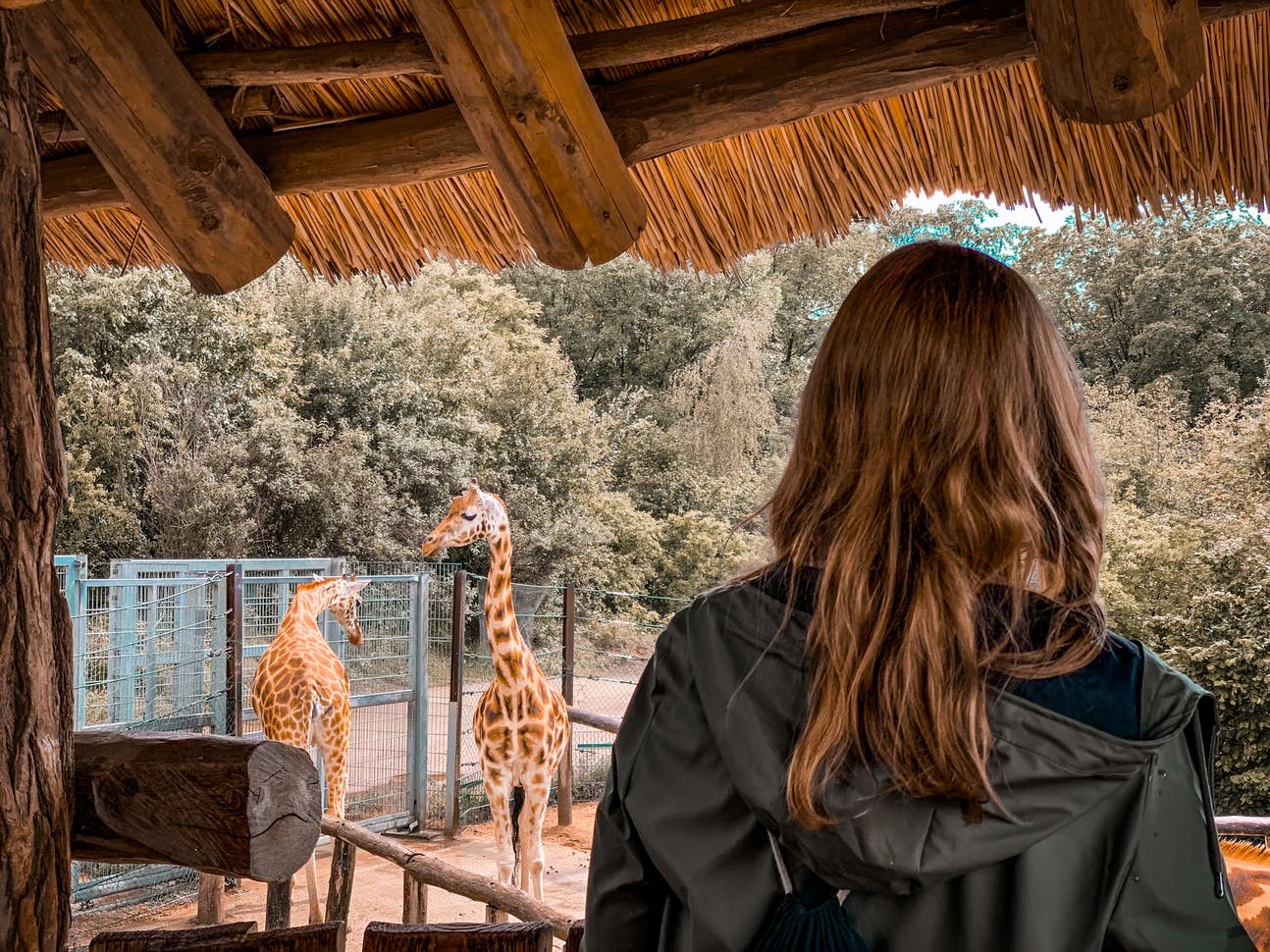
“The success of a nation and its ethical progress can be judged by the way its animals are treated.” – Mahatma Gandhi
Do you like animals and imagine working in a zoo? Zoo keepers are key in protecting wildlife and taking care of animals. At places like the Zoological Society of London (ZSL), over 20,000 animals get the care they need from experts.
To become a zoo keeper, you need effort, education, and a love for animals. This task is exciting, letting you deal with numerous species and assist with crucial preservation work. If you’re into wildlife or animal welfare, zookeeping might be perfect for you.
Beginning your zoo keeper profession suggests discovering what’s needed. This guide will cover education, experience, and zoo more. It’s all you need to know to begin a satisfying zookeeping career.
Understanding the Role of a Zookeeper
Exploring what a zookeeper does reveals a function loaded with challenges and benefits. They concentrate on animal welfare and preservation. Zookeepers strive to keep animals healthy and pleased in their care.
Daily Responsibilities and Tasks
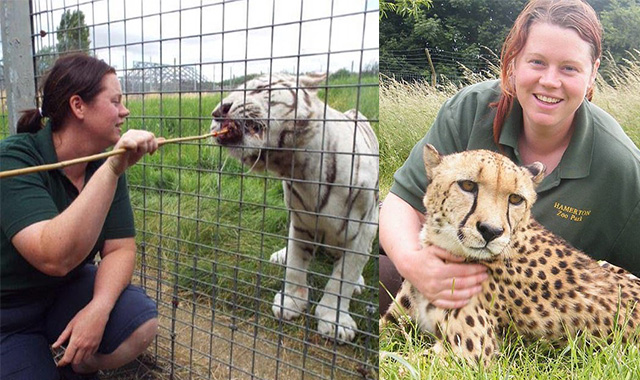
A zookeeper‘s day is filled with important jobs:
- Preparing meals that fulfill each animal’s dietary requirements
- Cleaning up enclosures to keep them clean and safe
- Monitoring animal health and behaviour
- Offering medicines and treatments as needed
- Creating activities to keep animals psychologically sharp
Working Environment and Conditions
Zookeepers work outside in all kinds of weather. They manage both indoor and outside areas. The task needs being healthy and able to deal with the needs of caring for animals.
“Being a zookeeper is more than a job – it’s an enthusiastic commitment to animal care and preservation.”
Kinds of Animals and Specialisations
Zookeepers can specialise in many animal groups:
- Primates
- Big cats
- Marine mammals
- Reptiles
- Birds
Your role might include dealing with 2-5 various animal types. This requires a great deal of knowledge and the ability to adapt.

Vital Skills and Personal Qualities for Zoo Keeping
To be a top zookeeper, you need more than simply a love for animals. Your task will be difficult and require you to deal with animals and individuals well. You’ll likewise need to comprehend animal behaviour.
What zoos search for in people consists of:
- Exceptional patience and psychological durability
- Strong physical conditioning and stamina
- Keen observation skills
- Ability to remain calm under pressure
- High level of empathy towards animals
Getting hands-on experience is crucial to mastering this role. You’ll need to show:
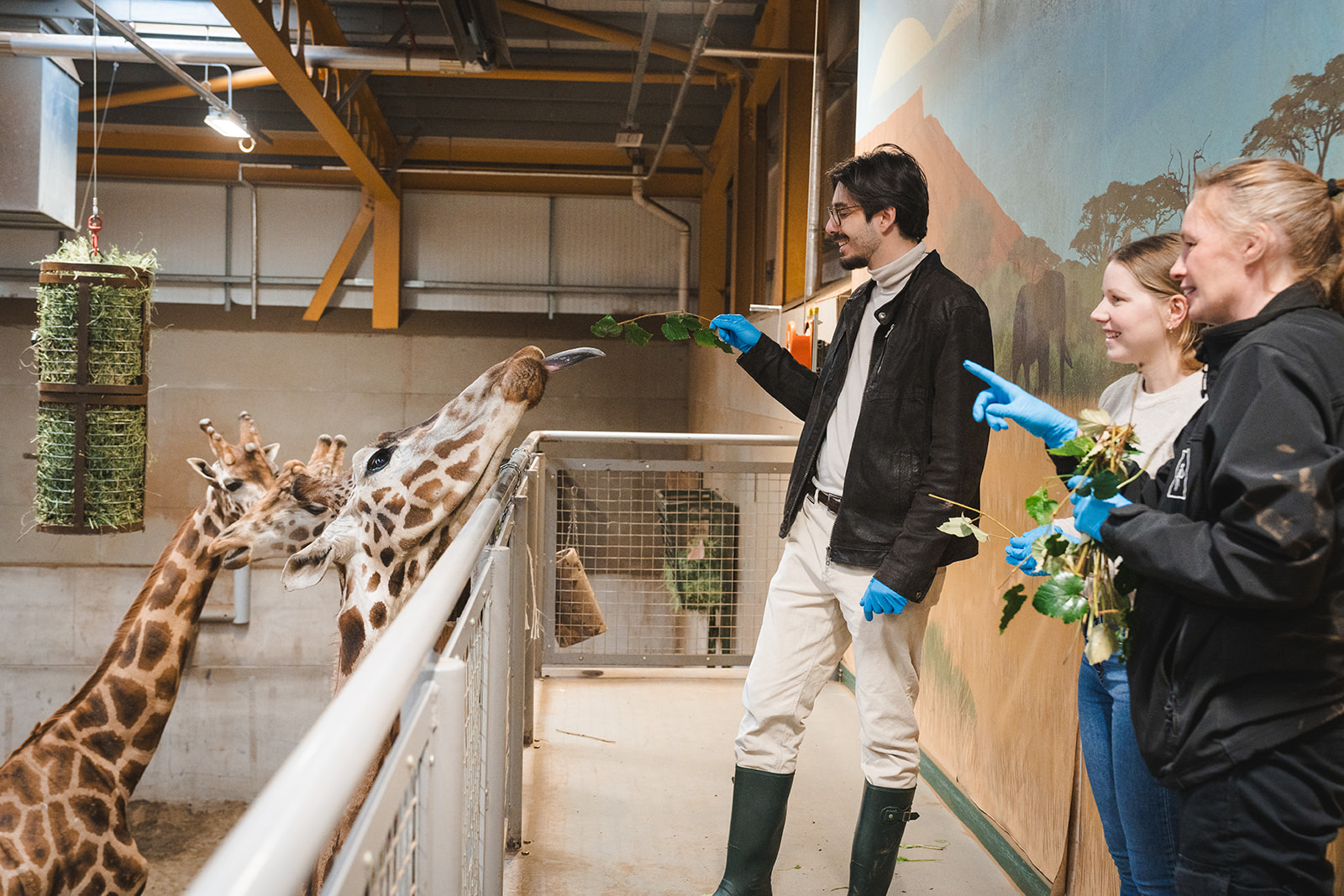
- Advanced understanding of animal care methods
- Efficiency in animal handling and security procedures
- Effective communication with both animals and human visitors
“A terrific zookeeper connects science, compassion, and preservation in every interaction with animals.”
You ought to know about animal nutrition, behaviour, and standard vet care. The majority of zookeepers learn through training, volunteering, and continuous learning.
Zookeeper work is not just a task. It’s a huge commitment to teaching about wildlife and assisting conservation. Your enthusiasm and hard work will make you stick out in this fulfilling career.
How to Become a Zoo Keeper
Starting a profession as a zookeeper needs cautious preparation and education. You need to first comprehend the instructional needs and training paths. These will turn your love for animals into a task.
Educational Requirements
To be a great zookeeper, you need a strong academic base. A lot of tasks try to find specific qualifications:
- At least 5 GCSEs at grade 4 or above, consisting of English, mathematics, and science
- A levels or higher education certifications
- A college degree in biology or animal science
- Level 3 Diploma in Animal Management
Necessary Certifications
Getting unique certifications can really help you in your zookeeper career. Essential ones include:
- Diploma in Management of Zoo and Aquarium Animals (DMZAA)
- Zookeeping Level 3 Diploma (RQF)
- Animal managing certificates
- First aid certifications
Training Programs and Apprenticeships
Getting hands-on experience is key in zookeeper training. Numerous places use fantastic possibilities:
- Unpaid apprenticeships at wildlife parks
- Internship programs at popular zoos
- Practical training at locations like Colchester Zoo and Dartmoor Zoo
- Volunteering to get real-world skills
Pro tip: Create a detailed portfolio to reveal your animal care skills. It will help you in task applications.
Structure Relevant Experience in Animal Care
Gaining hands-on experience is crucial for those wanting to be zookeepers. The job is extremely competitive. So, it’s crucial to start developing a strong base in animal care.
Your journey starts with discovering ways to work directly with animals. This is a tactical action.
“Experience is the very best teacher in animal care” – Wildlife Conservation Experts
Here work methods to acquire experience working with animals:
- Volunteer at regional animal shelters to establish basic animal managing skills
- Look for internships at wildlife rehab centres
- Explore part-time positions at veterinary clinics
- Contact your local zoo for possible volunteer opportunities
Offering is a terrific way to learn about animal behaviour and care. Many zoos and animal shelters are looking for people who wish to learn. These places offer fantastic chances to get hands-on experience and show your commitment to animal welfare.
Here are some pointers to take advantage of your experience:

- Keep a record of your skills and interactions
- Connect with specialists in animal care
- Ask for references and recommendation letters
- Stay relentless and show your real passion
Remember, useful experience makes you stand out in the zookeeping world. Each time you work with animals, you discover more. This increases your opportunities of getting a job in animal care.
Career Pathways and Professional Development
Starting a career as a zookeeper is amazing. It uses many opportunities to grow and specialise. Your journey starts with understanding the different paths in this field.
Entry-Level Positions
Entry-level jobs in zookeeping are an excellent start. They give you hands-on experience. Zoos search for prospects with:
- Level 2 Diploma in Animal Care (minimum certification)
- GCSEs in English and a scientific subject
- Volunteer experience at animal shelters or farms
Profession Progression Opportunities
As you get experience, your profession can grow. You can go up to:
- Junior Keeper
- Senior Keeper
- Group Leader
- Expert Roles
“Continuous knowing and useful experience are essential to advancing in your zookeeping career.”
Specialised Roles
You can also select unique areas like:
- Conservation breeding programmes
- Animal training
- Wildlife research
- Educational outreach
About 25% of zookeepers get advanced degrees in zoology or animal preservation. Getting Level 4 certifications can boost your opportunities for senior roles and research study.
Working Hours and Physical Demands
Becoming a zookeeper suggests you’ll work more than simply regular hours. You’ll deal with hard physical obstacles and need to be flexible, including weekends and holidays. Zoos are open every day, so you’ll often work when others relax.
“Zoo keeping is not a common 9-to-5 job– it’s a lifestyle of devoted animal care and commitment.”
This job is physically demanding. You’ll work outside in any weather, lifting heavy items over 50 pounds. Your tasks may consist of:
- Early early morning feeding schedules
- Cleaning up animal enclosures
- Preparing specialised diets
- Performing health checks
- Maintaining complex habitats
Shifts can start as early as 5 AM and go late into the night. You’ll be on your feet most of the time, moving between animal zones. Weekends and holidays belong to the job, requiring lots of endurance and dedication.
Despite the challenges, this task has excellent benefits. You’ll grow strong, both physically and mentally. You’ll also make fantastic connections with extraordinary animals.
Health And Wellness Considerations
Being a zookeeper features its own set of difficulties. It’s important to know how to keep both animals and personnel safe. This suggests following rigorous health and safety rules.
Zookeepers deal with an unique environment where safety is essential. Research studies show that health and safety are now as crucial as the zoo’s primary work.
Danger Management Strategies
There are several methods to handle dangers in zoos:
- Daily checks of animal enclosures for threats
- Counting animals at the start and end of shifts
- Watching how visitors act near animals
- Being ready for emergencies
Animal Handling Safety Protocols
Knowing which animals are most harmful is essential. Big animals like rhinos can be very dangerous. There have actually been cases where zookeepers got seriously hurt.
Safety isn’t almost wearing equipment – it’s about knowing animal behaviour and staying alert.
Individual Protective Equipment
Zookeepers require to use the best equipment, including:
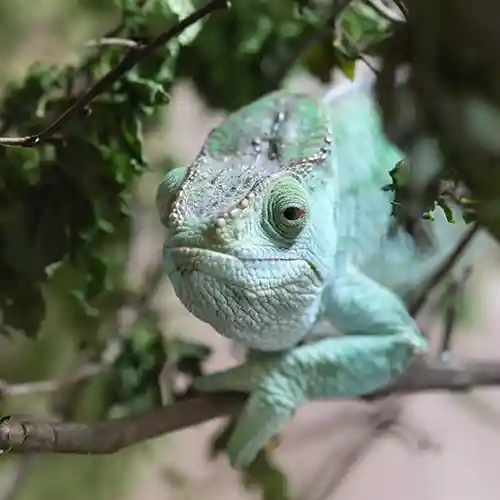
- Special gloves for managing animals
- Strong shoes for grip and security
- Clothing that secures against bacteria
Getting immunized versus illness like hepatitis B and rabies is likewise crucial. It assists keep zookeepers healthy in their tough job.
Salary Expectations and Job Market
Thinking of a profession in zoo keeping? It’s essential to learn about wages and the task market. The field is growing, with more chances in the UK.
Let’s take a look at what zoo keepers can earn at different stages:
- Entry-level zookeepers begin at about ₤ 14,000 a year
- Qualified ones make between ₤ 16,000 and ₤ 22,000
- Senior zookeepers can earn up to ₤ 30,000 or more
The job outlook for zoo keepers is good. The sector is anticipated to grow by 5% in the UK by 2029. This means around 3,910 new tasks will be available.
“The Association of Zoos and Aquariums supports expert development for zoo keepers,” a report says.
Incomes vary based on numerous things:
- Experience level
- Specialisation
- Where you work
- The zoo’s size and type
While the pay might not be high, the delight of dealing with animals is priceless. The is around ₤ 17,000. But, overall profits can be between ₤ 13,000 and ₤ 27,000 a year.
Conclusion
Beginning a career in animal care is an interesting journey. It requires devotion, passion, and a love for learning. With over 350 zoos and wildlife locations in the UK, there are lots of task opportunities. You’ll get to deal with incredible animals and help protect wildlife.
To be a zoo keeper, you need more than just love for animals. You need to have a mutual understanding of biology, have the ability to interact well, and always wish to discover more. You’ll gain hands-on experience, learn more about animal welfare, and develop a deep regard for nature. About 3,000 people in the UK have actually discovered fulfilling careers in this field.
Your success in zoo keeping comes from mixing science with a love for animals. Whether you’re interested in mammals, birds, or marine life, this task lets you help with preservation. Every day will bring brand-new challenges and discovering opportunities that will improve your skills and knowledge.
If you enjoy animals and wish to assist safeguard wildlife, zoo keeping might be for you. Handle the difficulty, remain curious, and turn your passion for animals into a rewarding career.
